

Kinshasa, December 22nd, 2025 (CPA). – Wells and cisterns have been installed in two primary schools in N’sele, a commune in eastern Kinshasa, Democratic Republic of Congo, to supply them with ‘safe’ drinking water thanks to a UNICEF project funded by KOICA, according to administrative sources on Monday.« Before, our students suffered from diseases linked to impure water. Now, with the wells and cisterns installed by the United Nations Children’s Fund project funded by the Korea International Cooperation Agency (UNICEF-KOICA), we have a constant and safe supply, which boosts their concentration and health, » said Franco Mutianguma, headmaster of Notre Dame du Bon Secours Primary School. These wells and cisterns were installed in the EP2 Ceta and Notre Dame du Bon Secours primary schools, located in the commune of N’sele. For him, drinking water, hygiene and sanitation are no longer luxuries, but everyday realities for the pupils of these primary schools.
Mr Mutianguna said that thanks to the project to improve access to and quality of primary education in Kinshasa, initiated by UNICEF with financial support from KOICA, the situation has changed radically. ‘These achievements demonstrate the special attention given to hygiene and sanitation. The impact is immediate: fewer absences due to illness and better attendance in class,’ said Norbert Bwaka, director of EP2 Ceta at Camp Adjudant-Chef Lihau. Martin Lusanga, also director of EP2 Ceta, praised the progress made under this project. ‘The project was not limited to water. It transformed our learning conditions into a space of well-being and protection for children,’ he said.
The school grounds are now exemplary in terms of cleanliness.
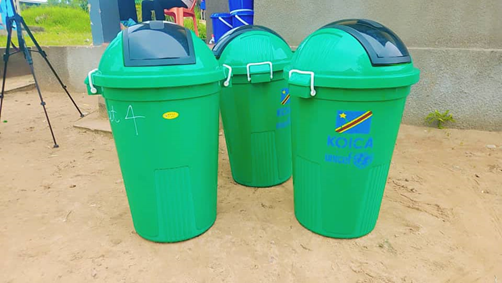
In terms of sanitation, a sanitation brigade made up of pupils has been set up at EP Notre Dame du Bon Secours, while at EP2 Ceta, pupils and workers collectively ensure sanitation, enabling the once unsanitary schoolyards to now be exemplary in terms of cleanliness, according to the two school officials.
By focusing on hygiene, access to water and sanitation, the UNICEF-KOICA project not only improves learning conditions, but also prevents disease and protects children’s health. The two schools, which were previously limited to a single building with dilapidated latrines, now each have two new toilet blocks, with a total of four doors per block. These facilities comply with current standards and incorporate a gender-sensitive approach, with separate latrines for girls and boys, thereby promoting the dignity and safety of pupils. ACP/